
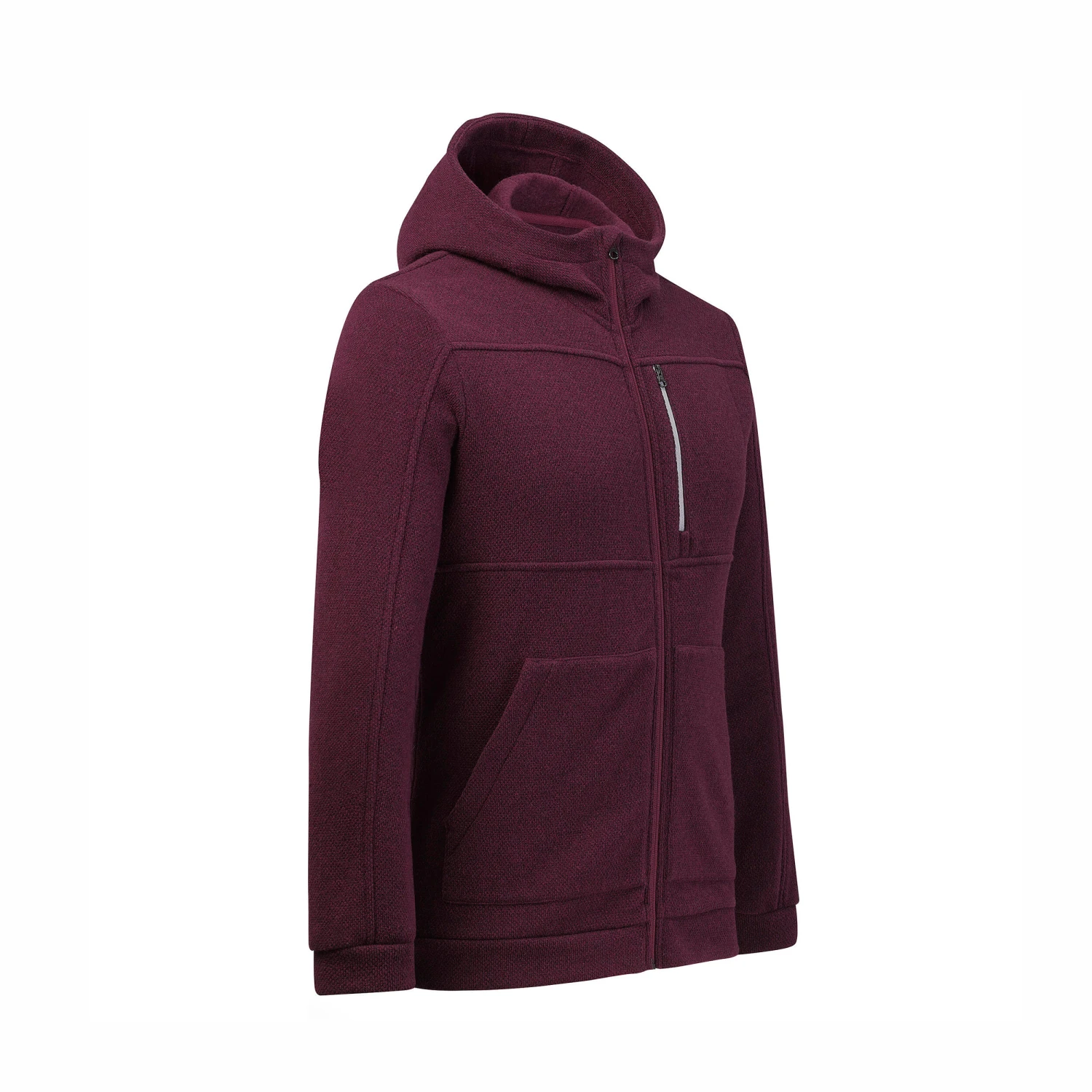
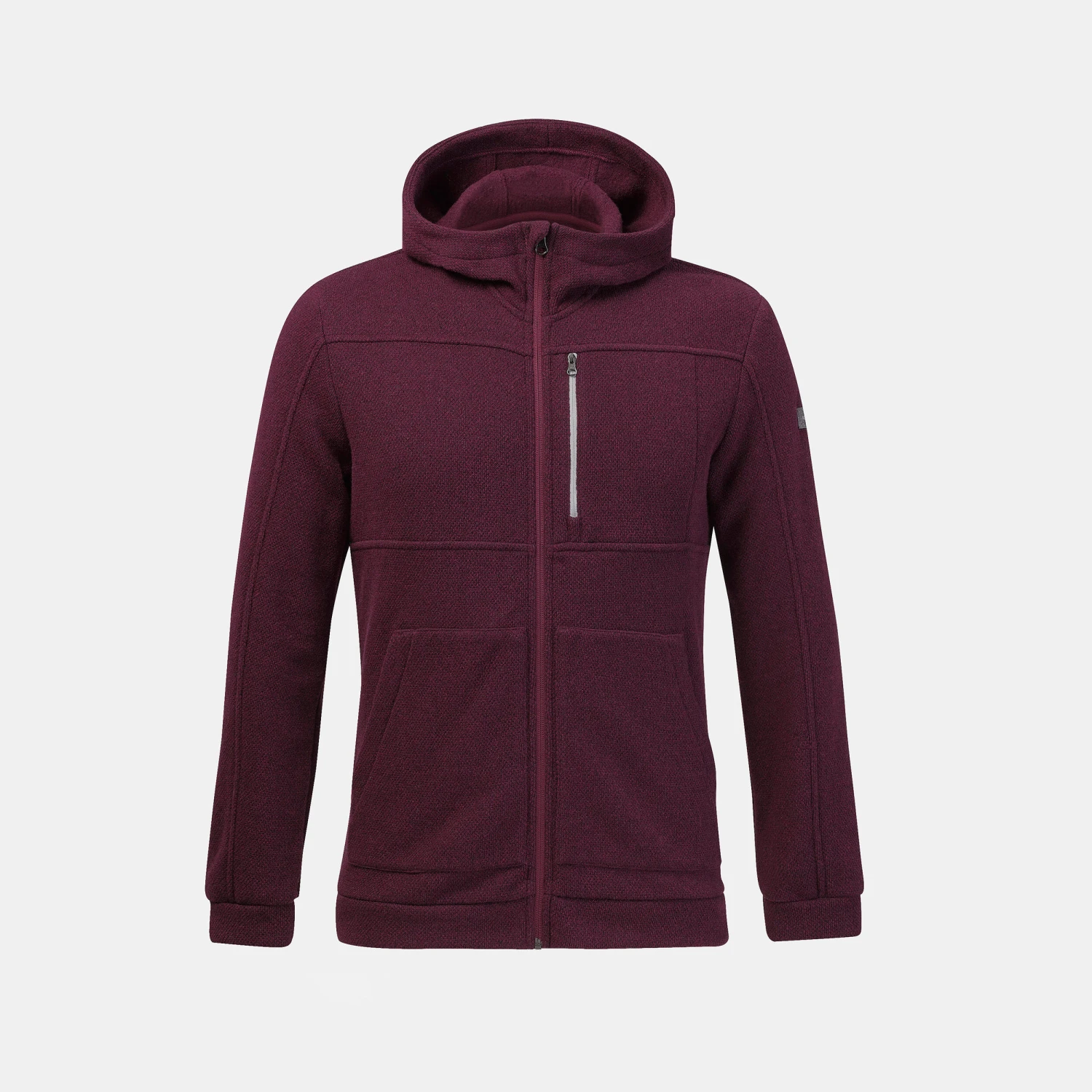
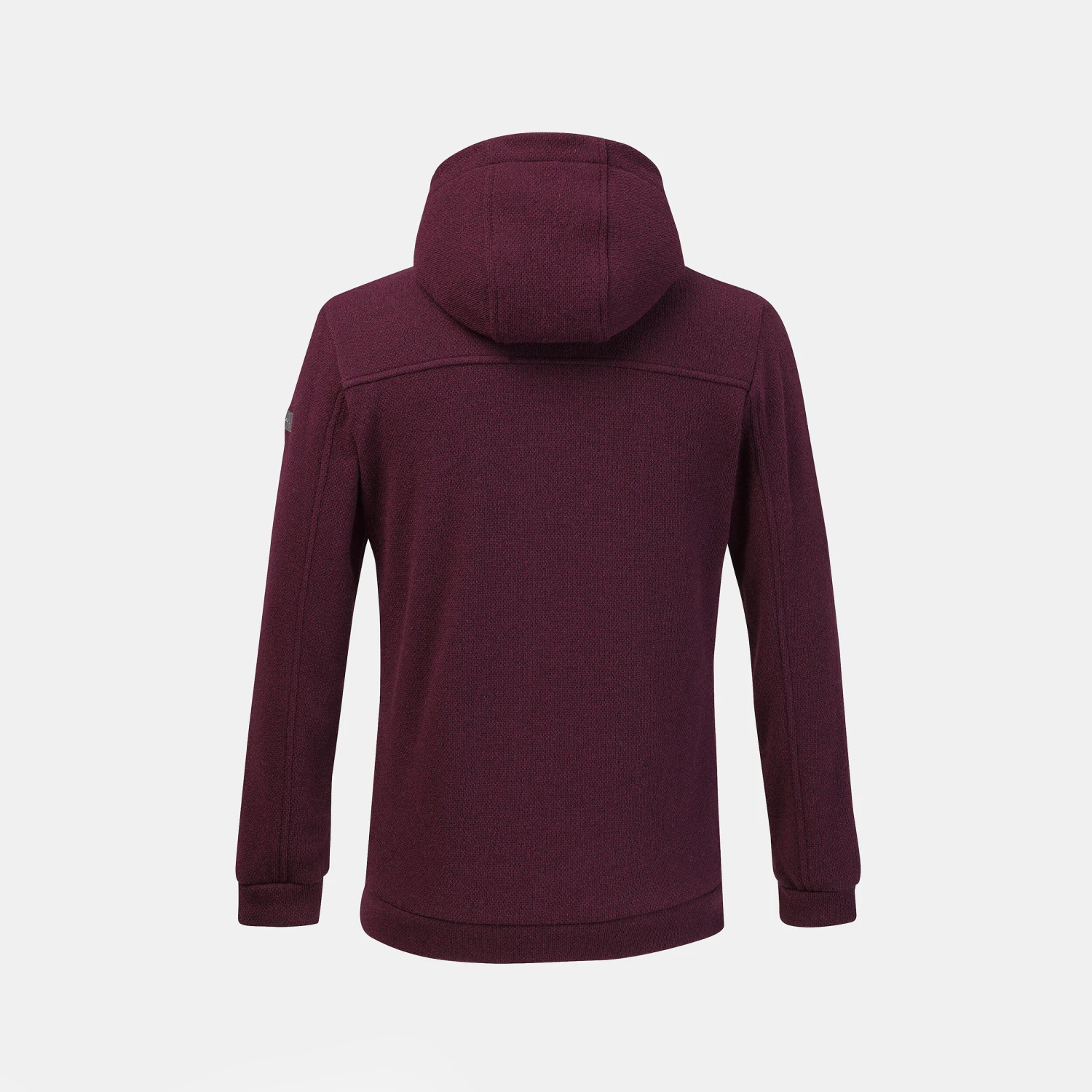
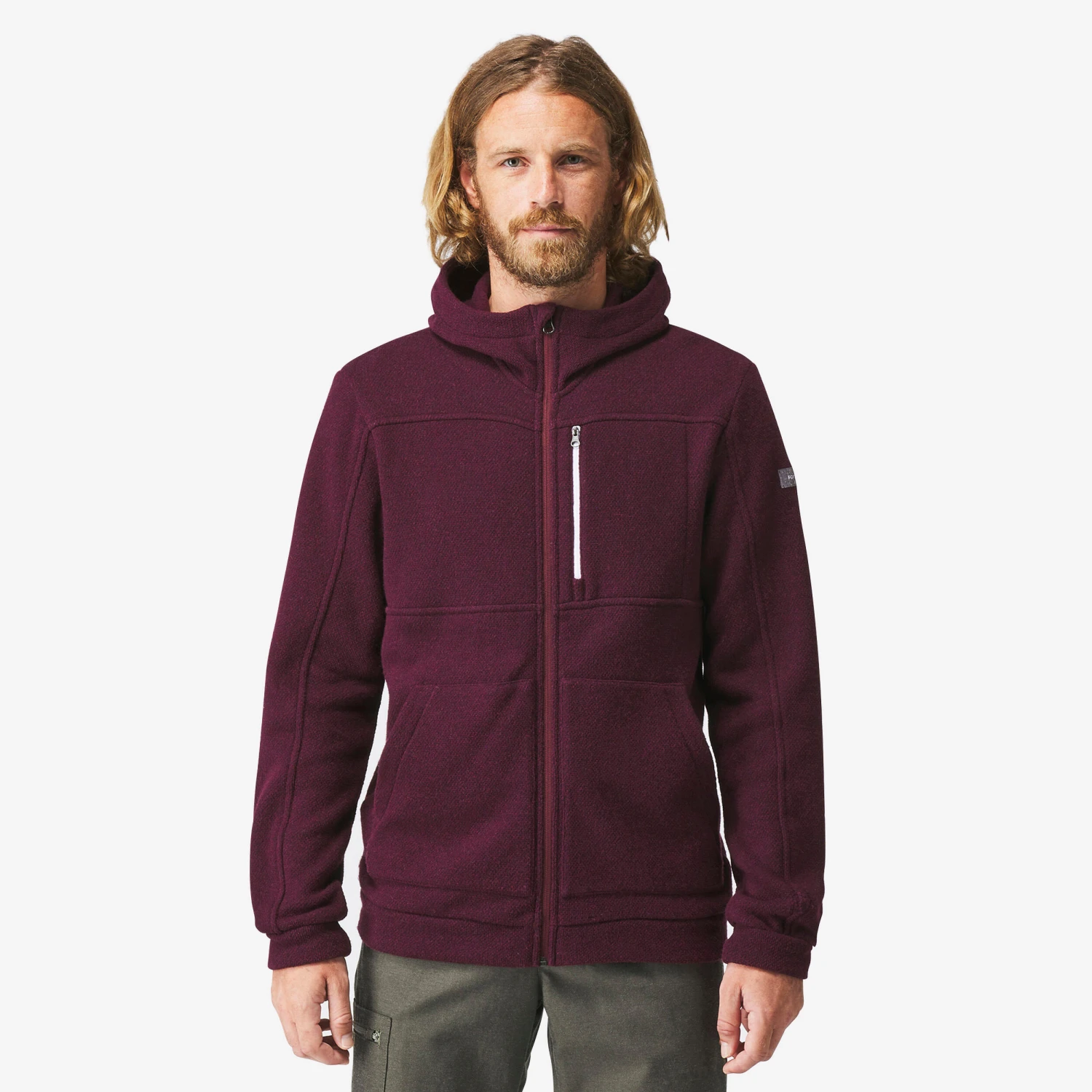
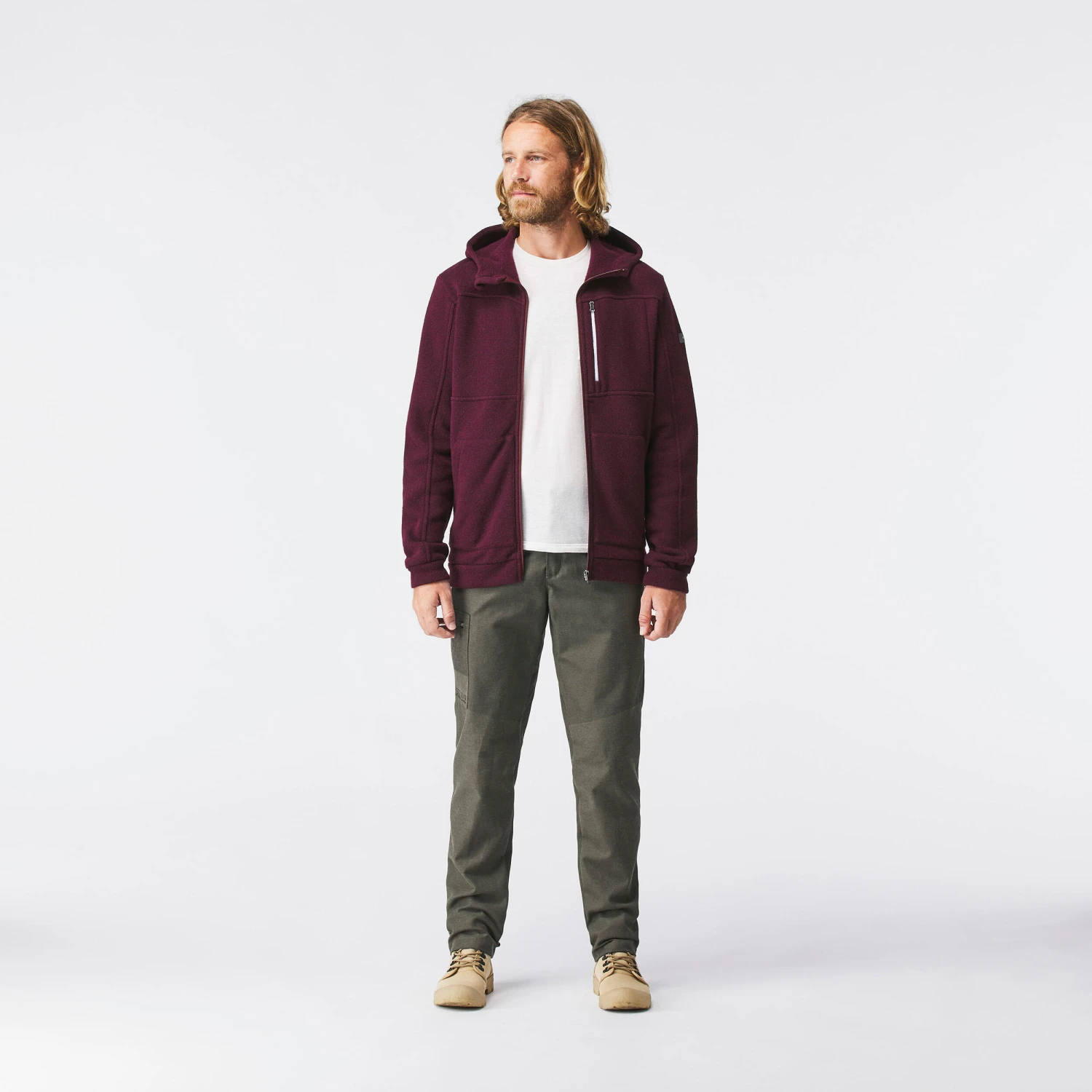
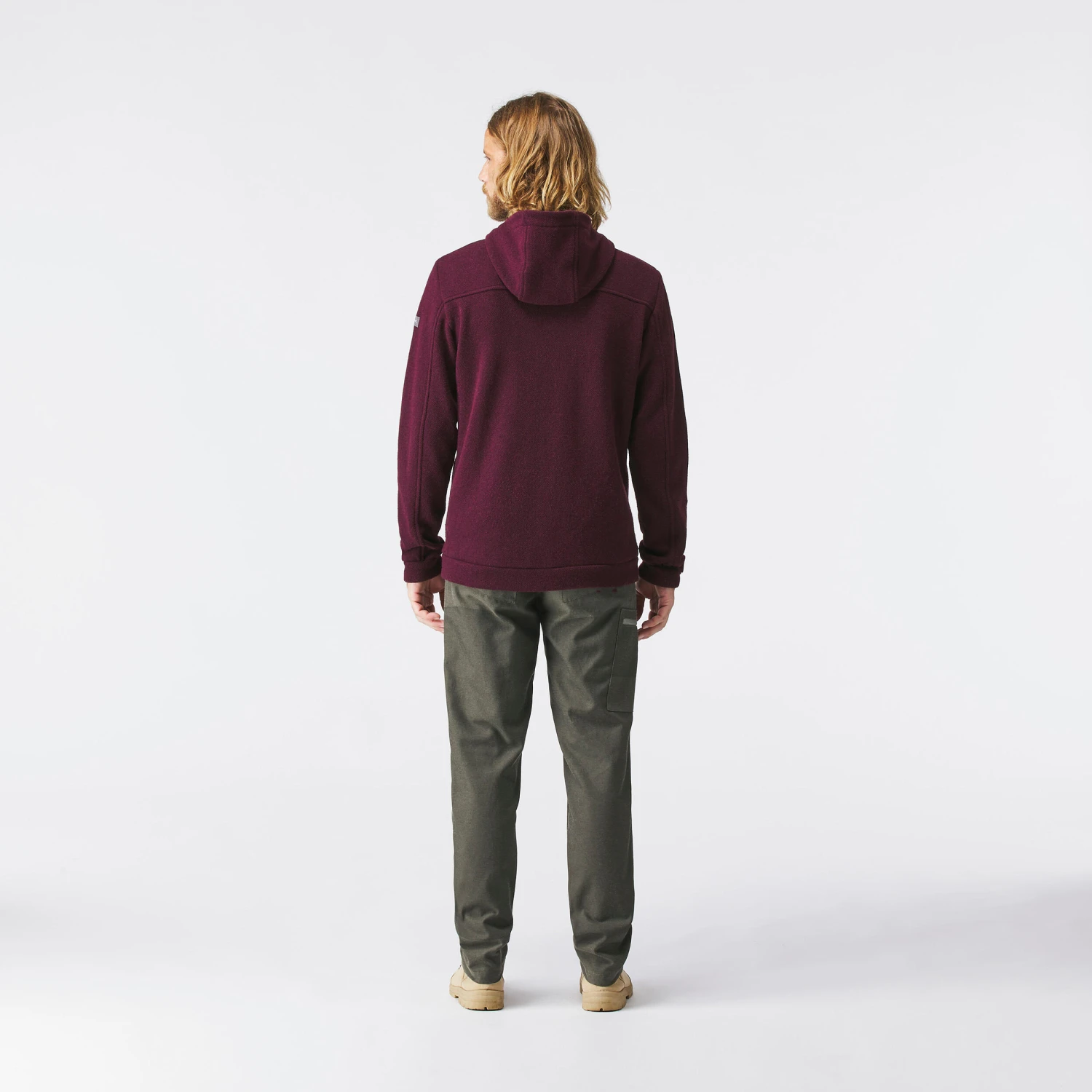
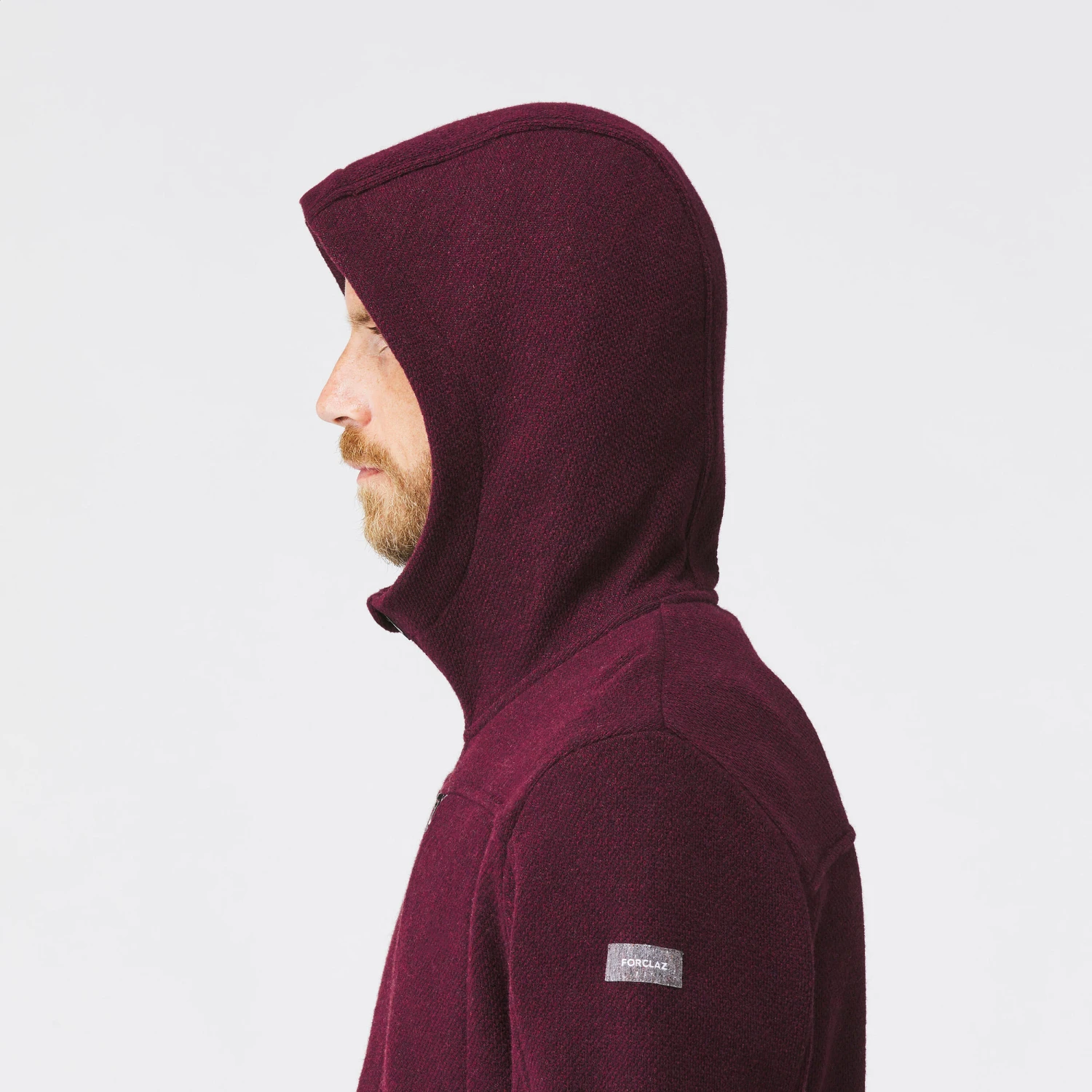
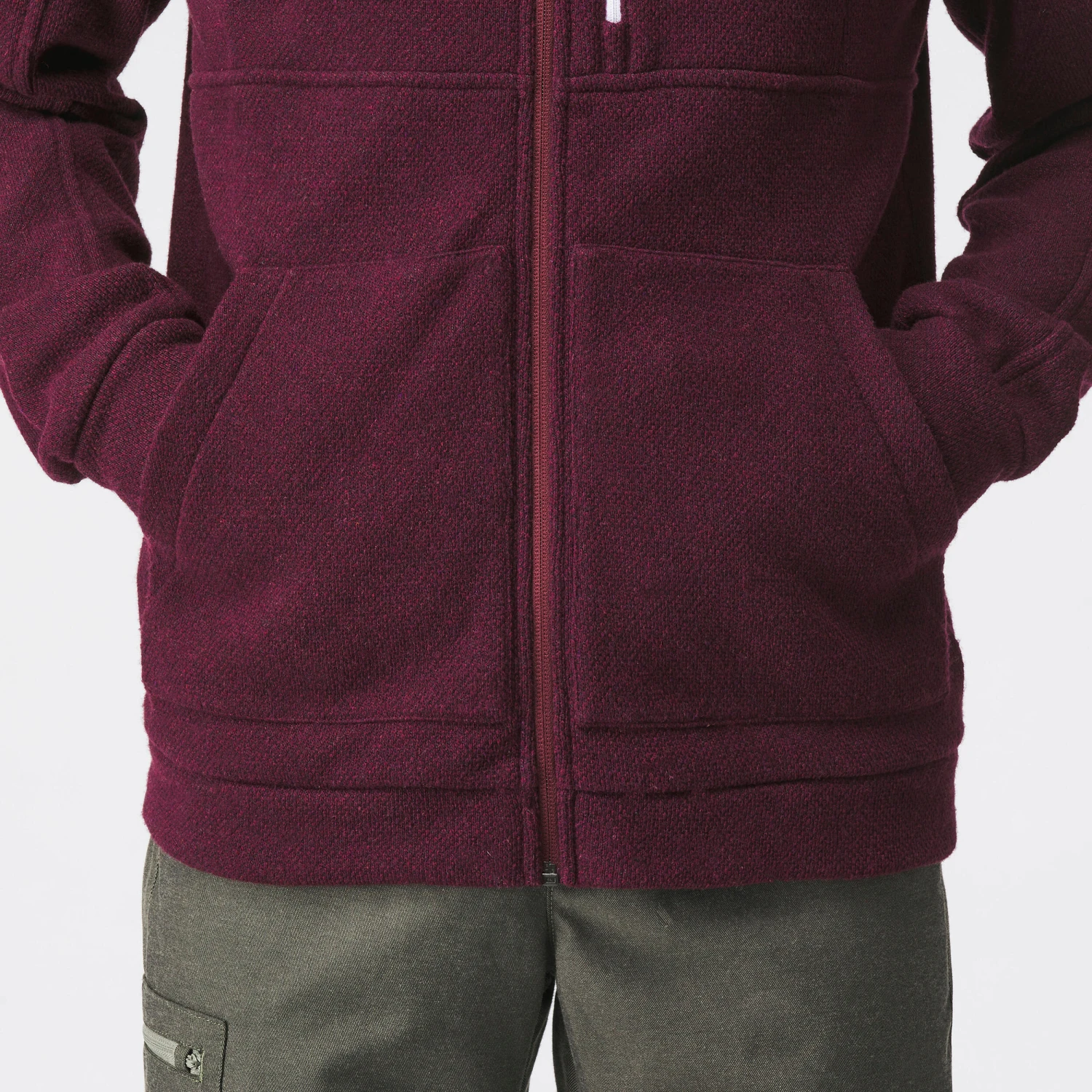
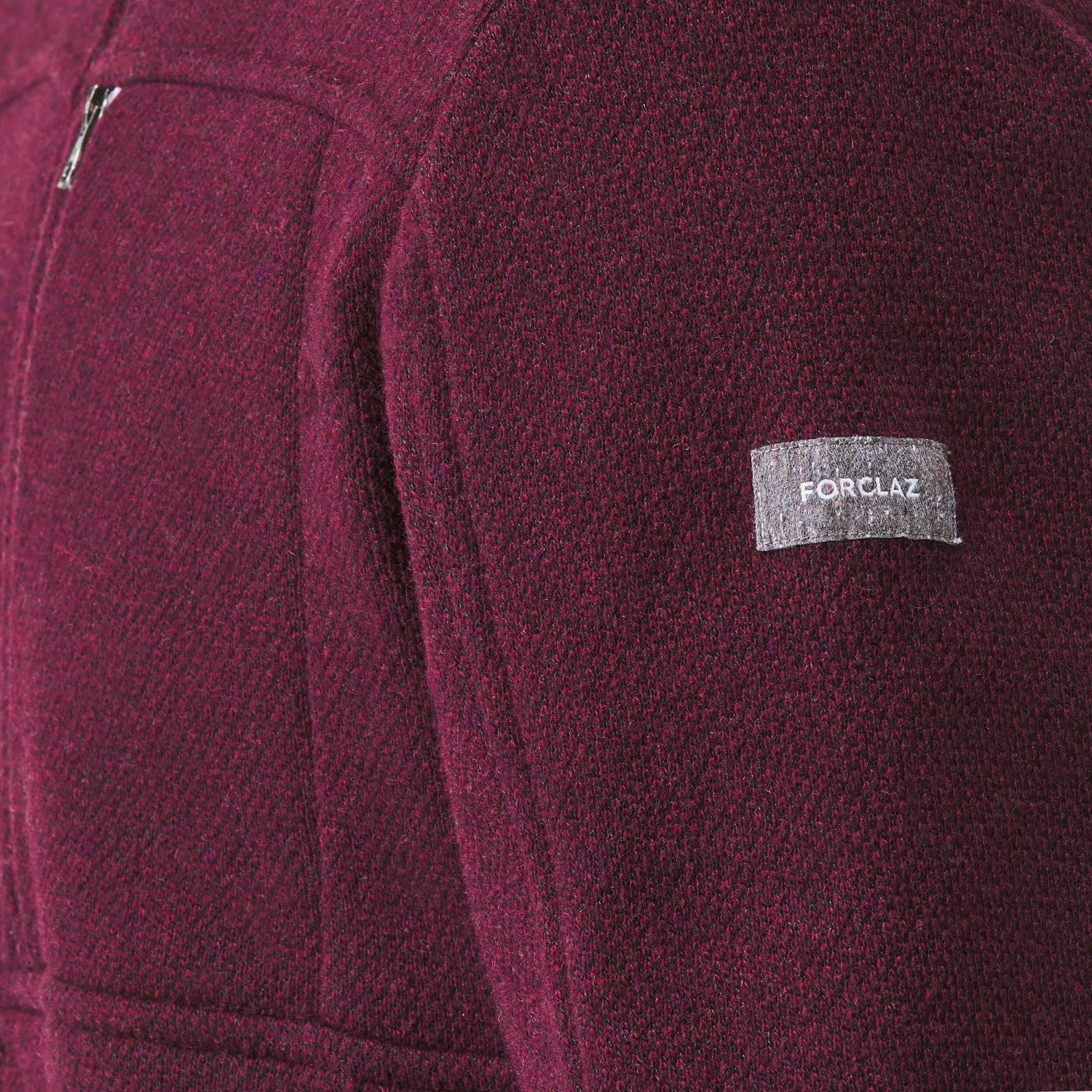
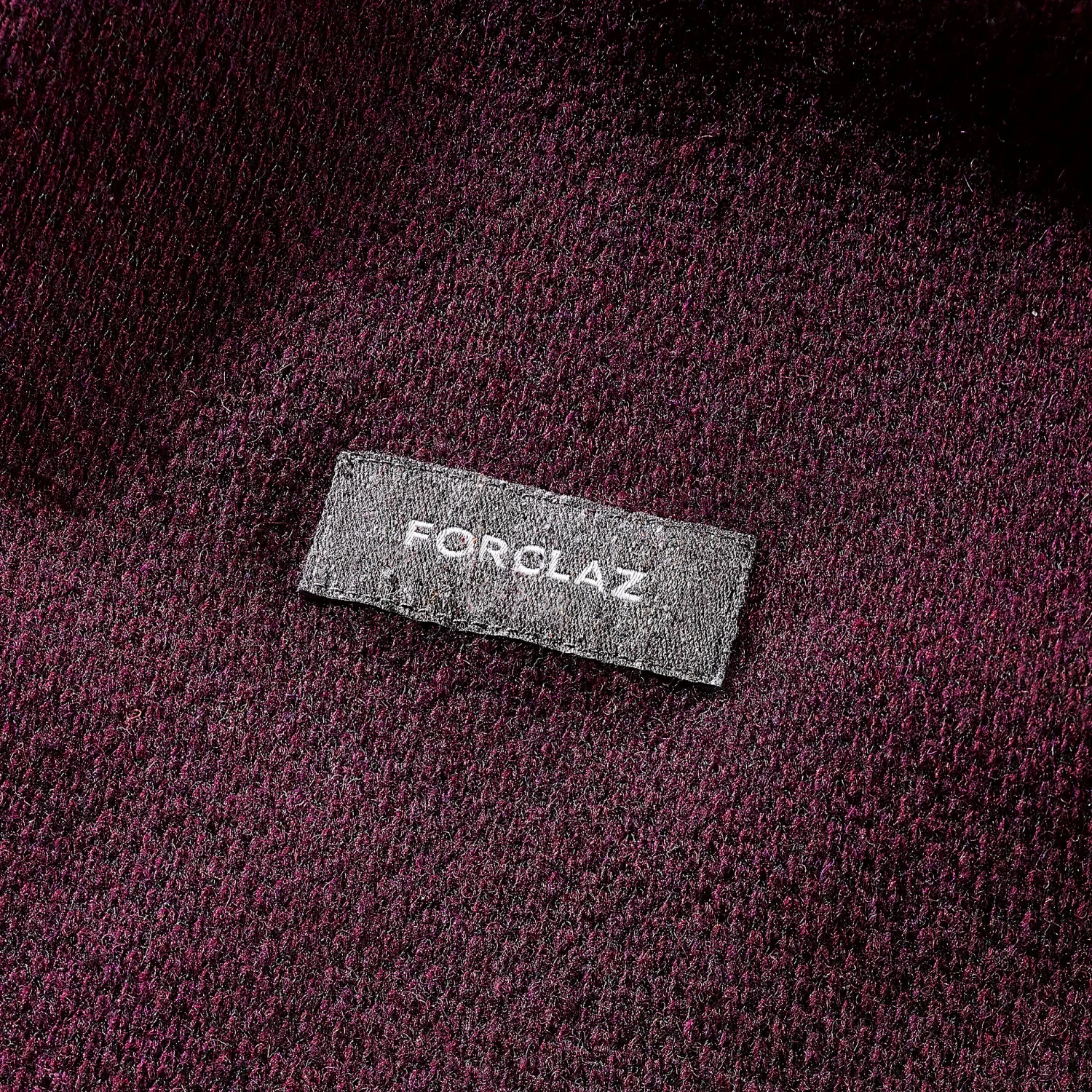
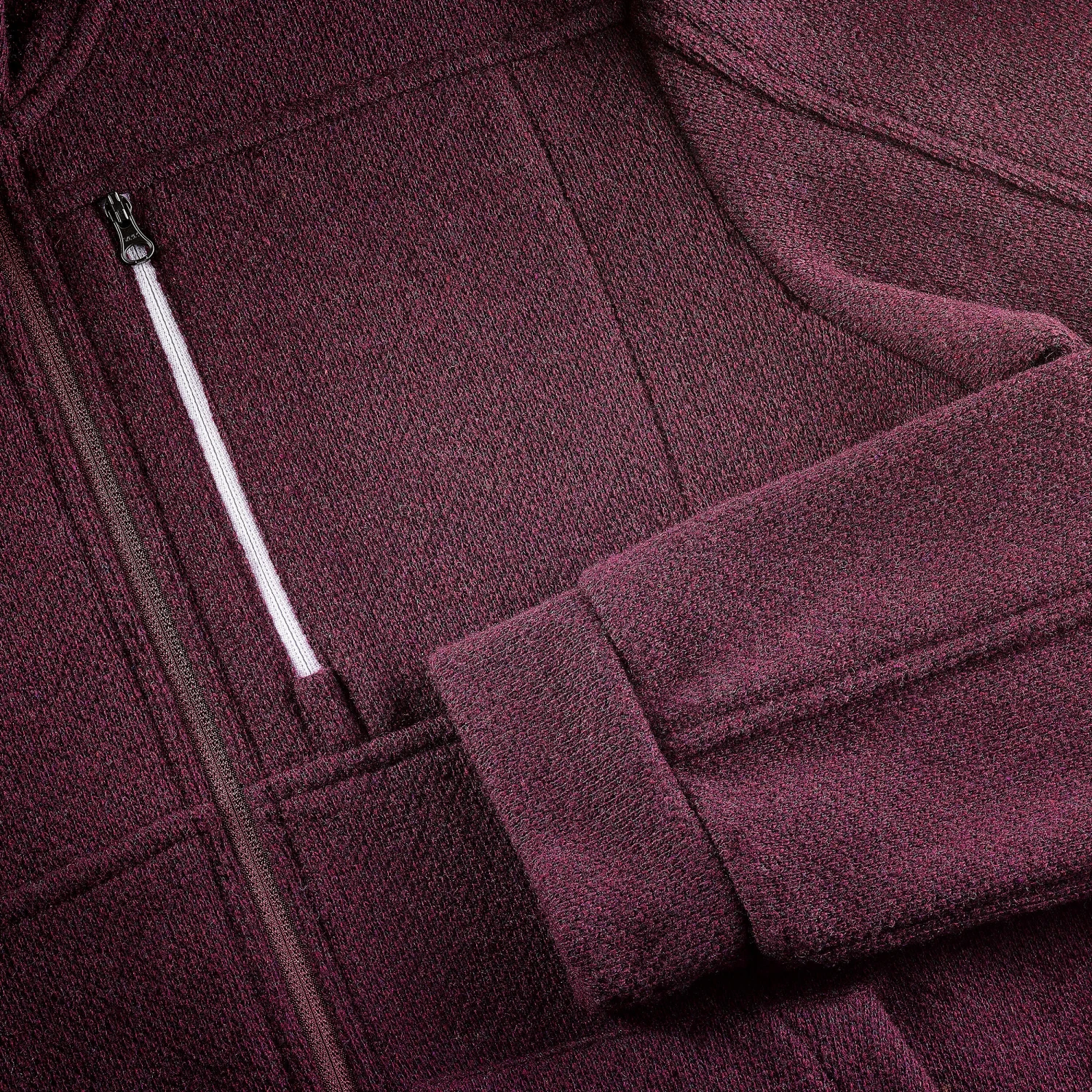
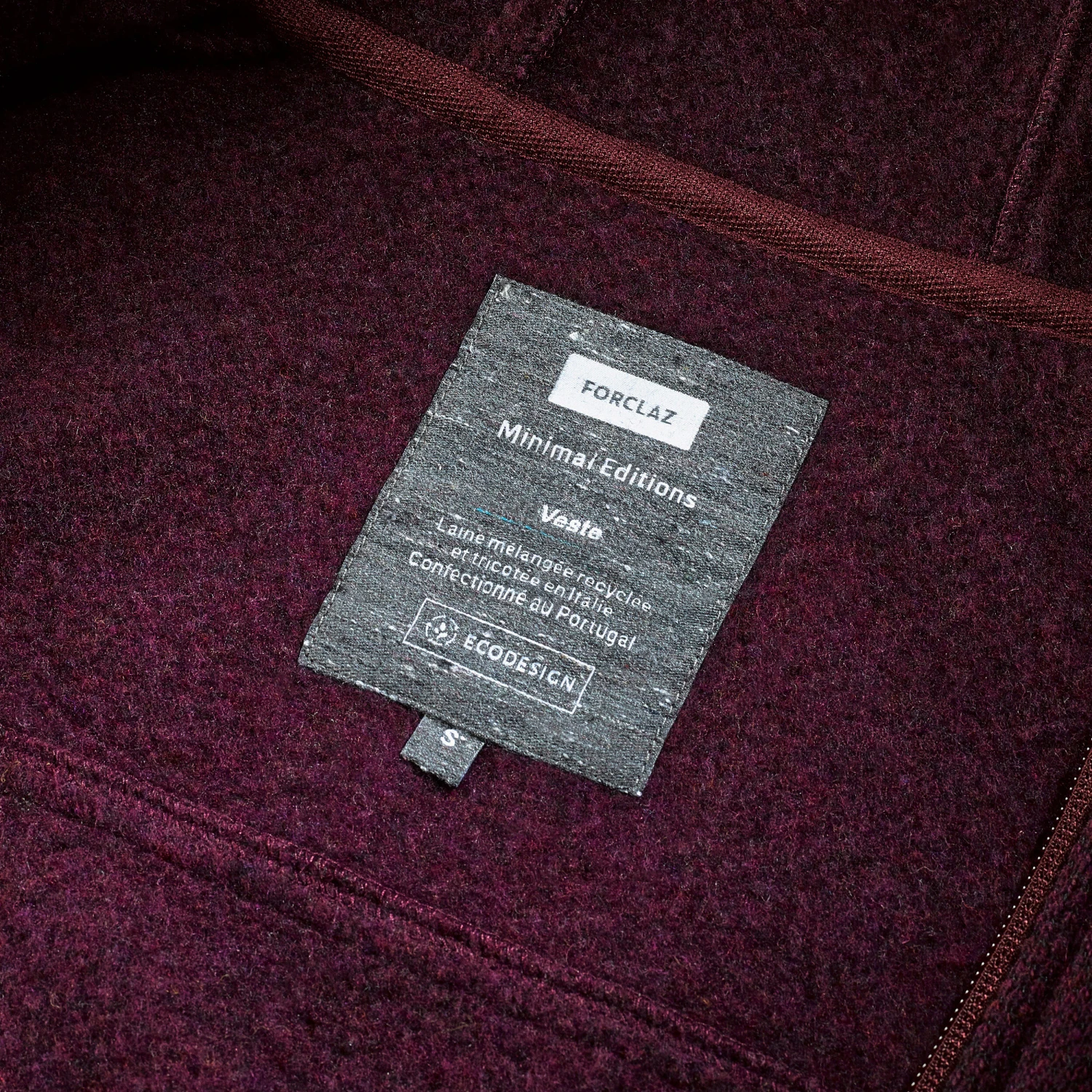
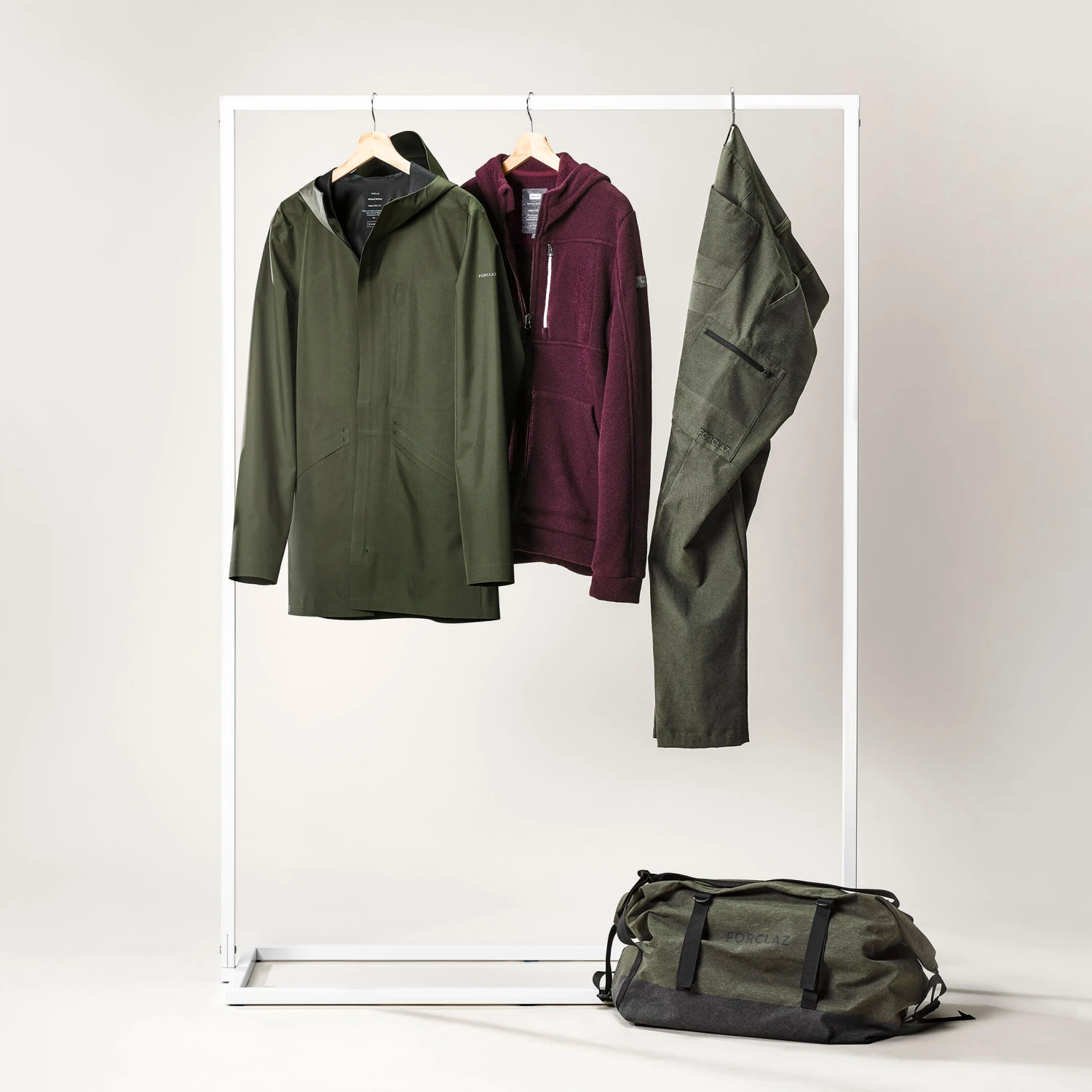

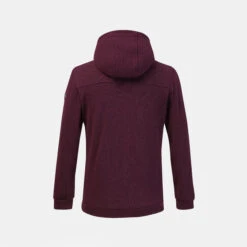
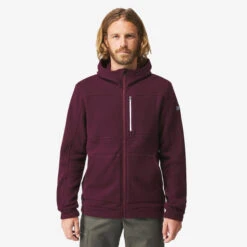
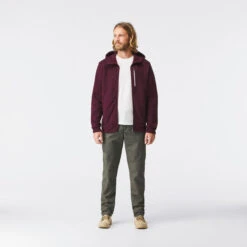
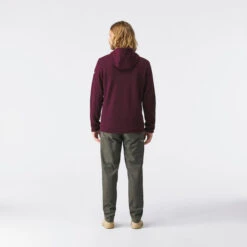
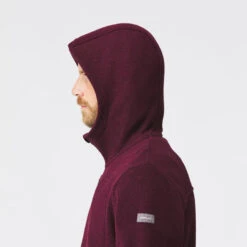
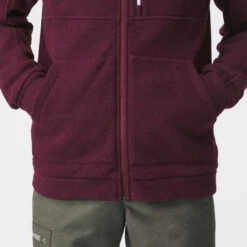
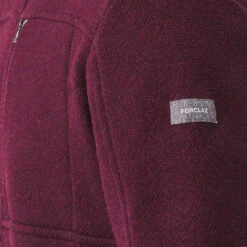
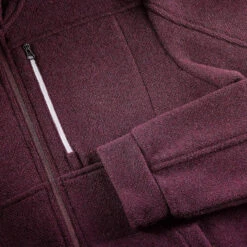
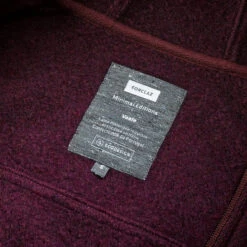
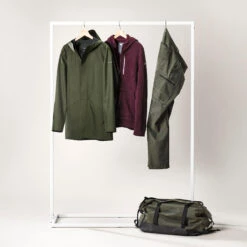
Men’s Recycled Wool Hooded Sweatshirt
Original price was: £74.99.£52.49Current price is: £52.49.
- Multiple safe payment methods
- Safeguard Your Shopping Experience
- Fast and Secure Payments
- Quality You Can Trust

How to significantly reduce the CO2 impact of our products? This is the question that our team asked itself when designing this soft, warm hoodie.A recycled wool sweatshirt, non-dyed and manufactured in Europe, for a weight of 4.74 kg CO2-eq over its entire life cycle.
Recycled materials for guaranteed impact reduction?
Natural and renewable materials are good, but the biggest impact of a wool sweatshirt is… the wool itself!
Actually, this material has exceptional properties and is popular at Forclaz, yet it consumes a lot of energy and water during the yarn manufacturing process.
By using recycled wool (from manufacturing remnants or recycling products at the end of their lifecycle), we have reduced the CO2 impact of this sweatshirt by 80%.
How can a non-dyed product be coloured?
We used a spinner in Italy, specialised in recycling wool. The fabric remnants can be sorted by colour so that you can create new coloured yarns without any dye.
This removes this step that consumes a lot of energy and water.
How does production in Europe reduce this product’s CO2 impact?
To reduce CO2 emissions, we decided to produce this sweatshirt in countries that use less carbonaceous energy (therefore none or little energy is produced by coal-fired power stations).
The yarn is made and weaved in Italy, before being sent to Portugal for final assembly.
Find out more about the energy used by different European countries with Electricity Maps.
How did we manage to reduce the loss of material during this sweatshirt design?
A minimal waste design is a technique that reduces fabric remnants thanks to an optimised design that better incorporates the different parts and therefore reduces the material used.
Myriam, our designer specialised in minimal waste, along with Melanie, our stylist, have reduced their fabric remnants to 11%.
What test is used for the anti-odour test of a component?
The component used helps to limit perspiration odours. According to the ISO 17299-1 standard, a reduction of perspiration odours (linked to acetic acid) is measured as from a 70% reduction.
For this component, we achieved a reduction of 88%.
| COLOUR | Chocolate truffle |
|---|---|
| SIZE | S, M, L, XL, 2XL |
Be the first to review “Men’s Recycled Wool Hooded Sweatshirt”
Related products

Men
Reviews
There are no reviews yet.